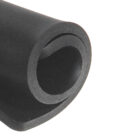
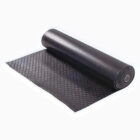
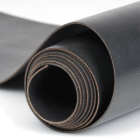
Neoprene/Chloroprene Rubber Sheet

High-Performance Rubber Sheets for Industrial Sealing, Insulation, and Protection

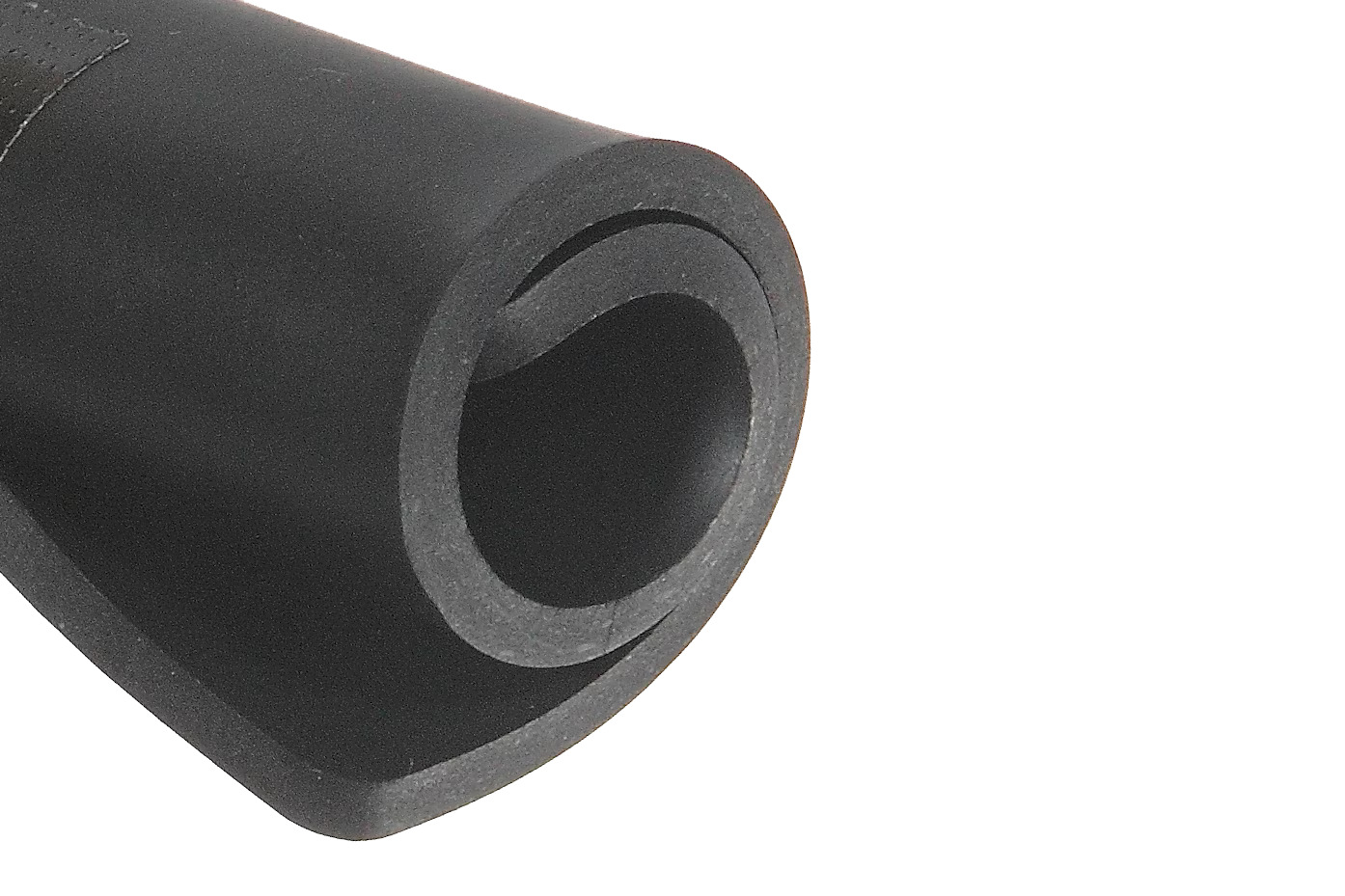
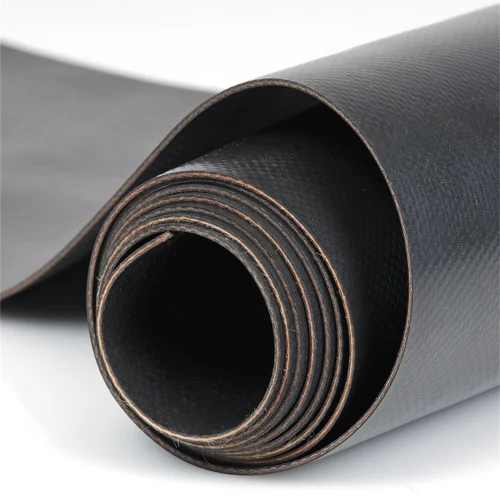
Maruti Neoprene / Chloroprene Rubber Sheets are premium-quality elastomeric sheets designed to deliver excellent durability, weather resistance, and chemical stability across a wide range of industrial applications. Manufactured using high-grade chloroprene rubber compounds, these sheets provide outstanding performance in environments where resistance to oils, chemicals, ozone, weathering, and temperature variations is critical.

Neoprene rubber sheets are known for their balanced mechanical properties, including high tensile strength, excellent flexibility, and long-term resilience under compression. These characteristics make them ideal for applications involving sealing, gasketing, insulation, vibration dampening, and protective linings.

Maruti Neoprene Rubber Sheets are engineered to maintain their performance even in harsh industrial environments, ensuring long service life, reduced maintenance requirements, and reliable operational performance.

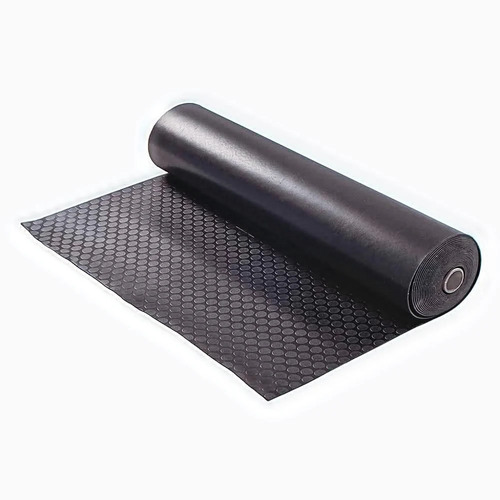
Available in multiple thicknesses, widths, and customizable configurations, these sheets can be tailored to meet the specific needs of industries such as automotive, construction, marine, oil & gas, chemical processing, and food manufacturing.

Exceptional Weather Resistance – Neoprene rubber exhibits outstanding resistance to UV radiation, ozone, oxidation, and environmental aging. This makes it highly suitable for outdoor installations where prolonged exposure to sunlight, rain, and temperature variations can degrade other rubber materials.

Excellent Chemical Resistance – Maruti Neoprene Rubber Sheets offer strong resistance to a variety of oils, petroleum-based products, solvents, acids, and industrial chemicals. This property makes them widely used in industries such as chemical processing, oil & gas, and automotive manufacturing.

High Flexibility and Durability – The material maintains its elasticity and mechanical strength even under repeated bending, compression, and stretching. This makes neoprene sheets ideal for applications such as gaskets, seals, expansion joints, and flexible insulation layers.

Wide Temperature Operating Range – Neoprene rubber sheets can operate effectively within a temperature range of approximately –30°C to +120°C, depending on the specific compound formulation. This allows reliable performance in both cold environments and moderately high-temperature industrial conditions.

Shock and Vibration Absorption – Due to its inherent elasticity, neoprene rubber provides excellent vibration dampening and shock absorption. It is frequently used to reduce noise and mechanical vibrations in machinery, industrial equipment, and structural installations.

Compression Resistance – Neoprene rubber has good compression set resistance, meaning it retains its shape and sealing ability even after prolonged compression. This ensures reliable long-term performance in gasket and sealing applications.

Safe and Non-Toxic Formulations – Certain grades of neoprene rubber can be manufactured to meet food-grade and healthcare safety requirements, making them suitable for applications involving controlled environments such as food processing and pharmaceutical facilities.

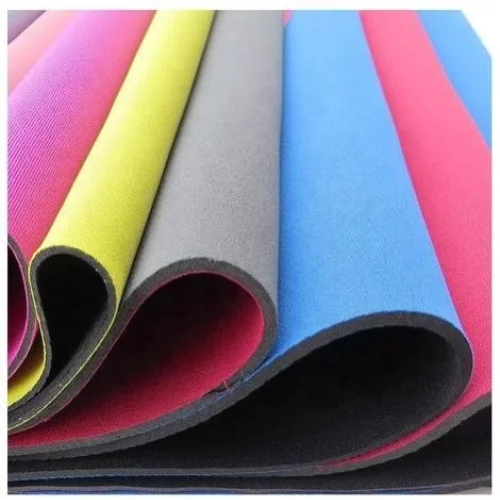
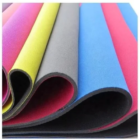
Customizable for Specific Applications – Maruti Neoprene Rubber Sheets can be produced in a wide range of sizes, thicknesses, hardness levels, and colors to meet specific industrial requirements. Custom cutting and fabrication options are also available for specialized installations.
Neoprene rubber sheets are widely used across multiple industries due to their versatility, durability, and resistance to harsh operating conditions.

Sealing and Insulation Applications – Neoprene sheets are commonly used for gaskets, seals, insulation layers, and protective coverings where resistance to moisture, chemicals, and temperature variations is required.

Typical uses include:

  • Industrial gaskets and seals
  • Cable and wire insulation
  • Electrical enclosures
  • Protective linings and coverings

Industrial and Automotive Applications – In manufacturing and automotive industries, neoprene rubber sheets are used for vibration control, mechanical isolation, and sealing systems.

Applications include:

  • Machinery vibration dampers
  • Engine and fuel system components
  • Automotive sealing systems
  • Equipment isolation pads

Waterproofing and Construction Applications – Due to their resistance to water and environmental exposure, neoprene sheets are widely used in construction and infrastructure projects.

Typical uses include:

  • Waterproofing membranes
  • Expansion joint fillers
  • Bridge bearing pads
  • Pumping station linings
  • Dam and canal sealing systems

Marine and Offshore Applications – Neoprene rubber performs exceptionally well in marine environments, where materials must withstand moisture, saltwater, and weather exposure.

Applications include:

  • Boat and ship sealing systems
  • Marine gaskets
  • Offshore platform components

Food and Pharmaceutical Applications – Specially formulated neoprene sheets that meet regulatory standards can be used in food processing and pharmaceutical industries.

Typical uses include:

  • Food-grade gaskets and seals
  • Chemical-resistant linings
  • Equipment sealing in hygienic environments

Neoprene (also known as chloroprene rubber) is a synthetic rubber polymer recognized for its unique ability to maintain performance under mechanical stress, chemical exposure, and environmental degradation.

Key characteristics include:

  • Excellent resistance to ozone and ultraviolet radiation
  • Superior weathering resistance compared to many natural rubbers
  • Good resistance to oils, greases, and chemicals
  • High flexibility and elasticity across a wide temperature range
  • Strong resistance to abrasion and mechanical wear

These properties make neoprene rubber sheets suitable for both indoor and outdoor industrial environments.

Maruti Techno Rubber Pvt. Ltd. manufactures neoprene rubber sheets under strict quality control standards to ensure consistent performance and reliability.

Each batch undergoes rigorous testing for:

  • Tensile strength
  • Elongation properties
  • Hardness and compression set
  • Chemical resistance
  • Dimensional accuracy

This ensures that the material performs reliably in demanding industrial applications.