


Bridge Expansion Joints

High-Performance Movement Control Systems for Bridges and Infrastructure

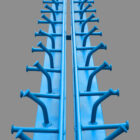
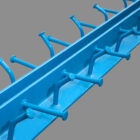
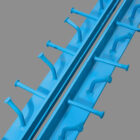
Bridge Expansion Joints manufactured by Maruti Techno Rubber Pvt. Ltd. are engineered movement systems designed to accommodate structural expansion, contraction, and dynamic movement in bridges, flyovers, viaducts, and elevated roadways.

Bridges are continuously subjected to thermal expansion, traffic-induced stresses, wind loads, seismic movements, and structural vibrations. Without a properly designed expansion joint system, these forces can lead to cracking, structural distress, water ingress, and long-term deterioration.

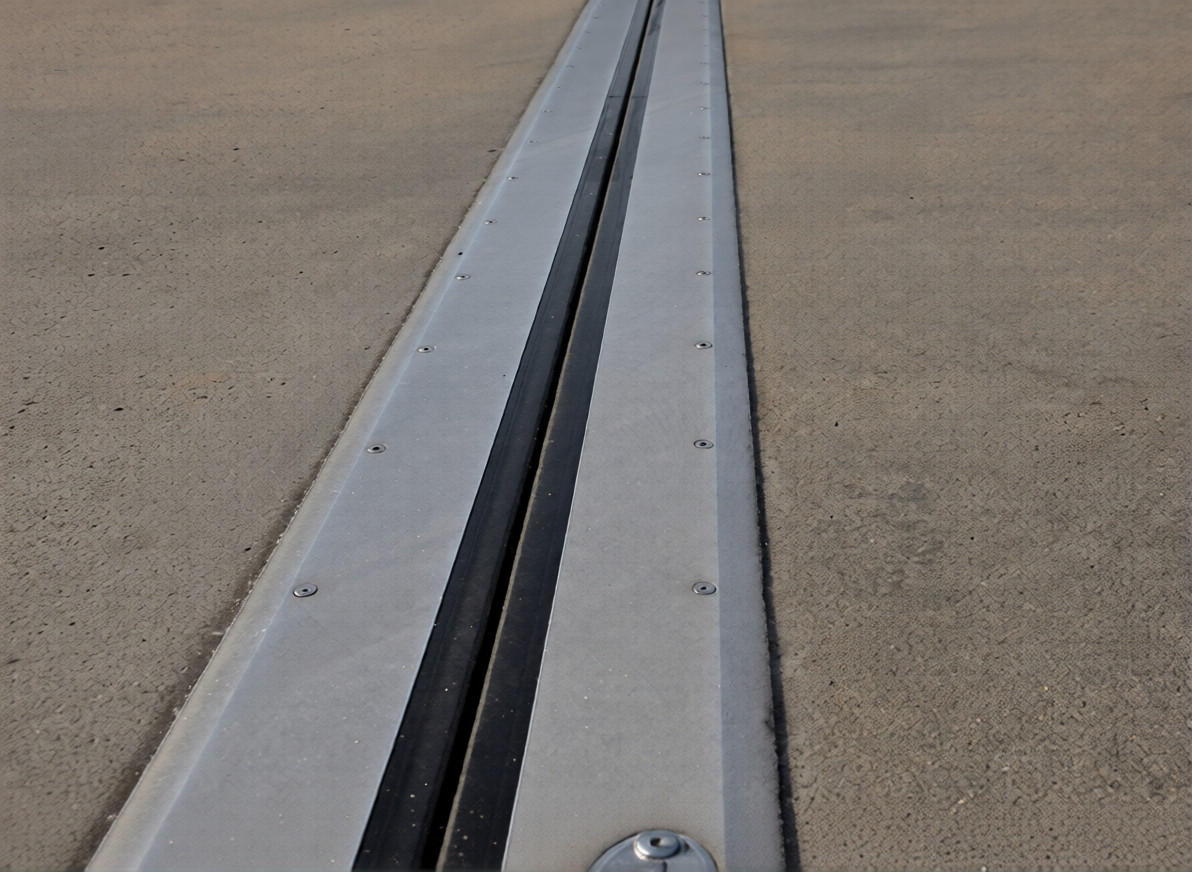
Maruti Bridge Expansion Joints provide a flexible interface between bridge segments, allowing controlled movement while maintaining a smooth driving surface and watertight seal. This ensures the long-term structural integrity, safety, and durability of the bridge.

Manufactured using high-grade elastomeric materials combined with precision-engineered steel components, these expansion joints offer excellent resistance to mechanical loads, environmental exposure, and chemical attack, making them ideal for demanding infrastructure environments.

Our range of expansion joints is designed to meet the movement requirements of various bridge spans, from small pedestrian bridges to large highway flyovers and multi-span structures.

Superior Durability – Maruti Bridge Expansion Joints are manufactured using high-performance elastomeric materials and reinforced steel components, enabling them to withstand:

  • Heavy traffic loads
  • Continuous vehicle impact
  • Harsh weather conditions
  • Repeated expansion and contraction cycles

The materials are designed to maintain their performance over extended service life in demanding infrastructure environments.

High Movement Accommodation – Bridge decks experience movement in multiple directions due to temperature fluctuations and traffic loading. Maruti Expansion Joints are engineered to accommodate:

  • Longitudinal expansion and contraction
  • Transverse movements
  • Vertical deflection
  • Rotational movements

This flexibility helps maintain structural stability and prevents stress buildup in bridge components.

Seamless Waterproof Sealing – Water infiltration through expansion joints can lead to serious structural damage over time. Maruti Expansion Joints incorporate high-performance elastomeric sealing systems that prevent:

  • Water ingress
  • Debris accumulation
  • Contamination of structural elements

This protects bridge bearings, reinforcement steel, and substructures from corrosion and deterioration.

Enhanced Safety and Ride Quality – A well-designed expansion joint ensures a smooth transition between bridge segments, eliminating bumps, noise, and vibration for vehicles.

This improves:

  • Driver comfort
  • Vehicle safety
  • Reduced dynamic impact on the structure

Low Maintenance Requirements – The robust construction and high-quality materials used in Maruti Expansion Joints significantly reduce maintenance requirements.

This results in:

  • Lower lifecycle costs
  • Reduced downtime for bridge maintenance
  • Long-term reliability

Corrosion and Chemical Resistance – Bridge environments often expose expansion joints to:

  • De-icing salts
  • Fuel and oil spills
  • Chemical pollutants
  • UV radiation
  • Abrasion from traffic

Maruti expansion joints are designed with corrosion-resistant steel and chemically stable elastomers, ensuring durability even in aggressive environments.

Customizable Engineering Solutions – Different bridges require different expansion joint systems depending on span length, movement range, and traffic conditions.

Maruti offers custom-engineered solutions, including:

  • Strip Seal Joints
  • Compression Joints
  • Single Strip Box Seal Joints
  • Multi-cell expansion joints
  • Modular expansion joints

Each system can be designed according to project-specific movement requirements and structural parameters.
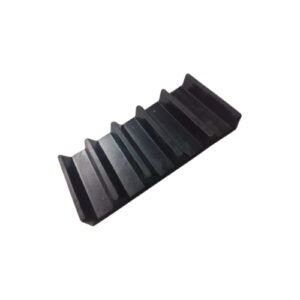
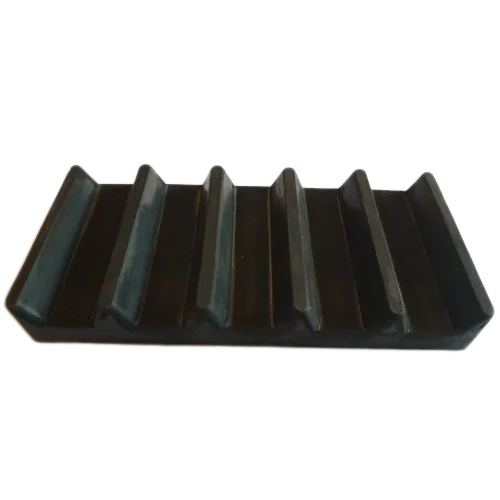
Strip Seal Expansion Joints

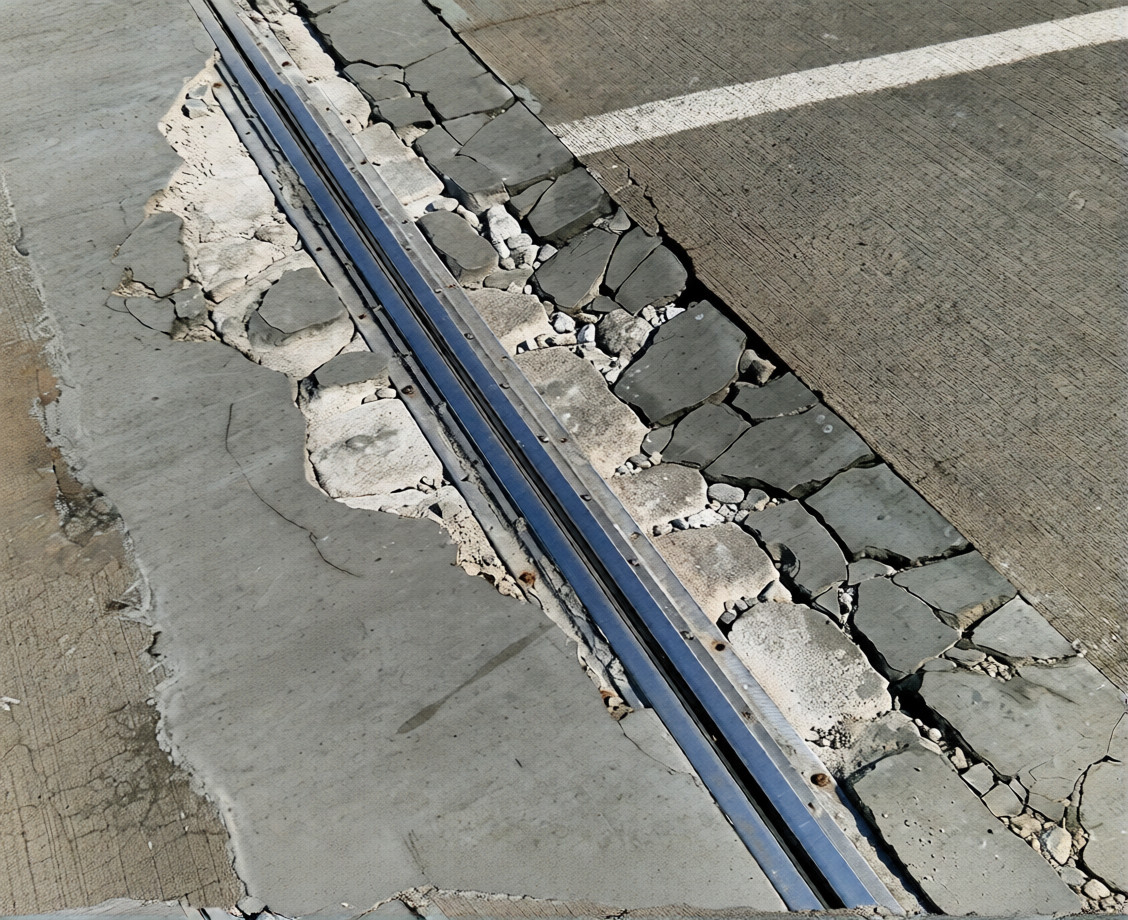
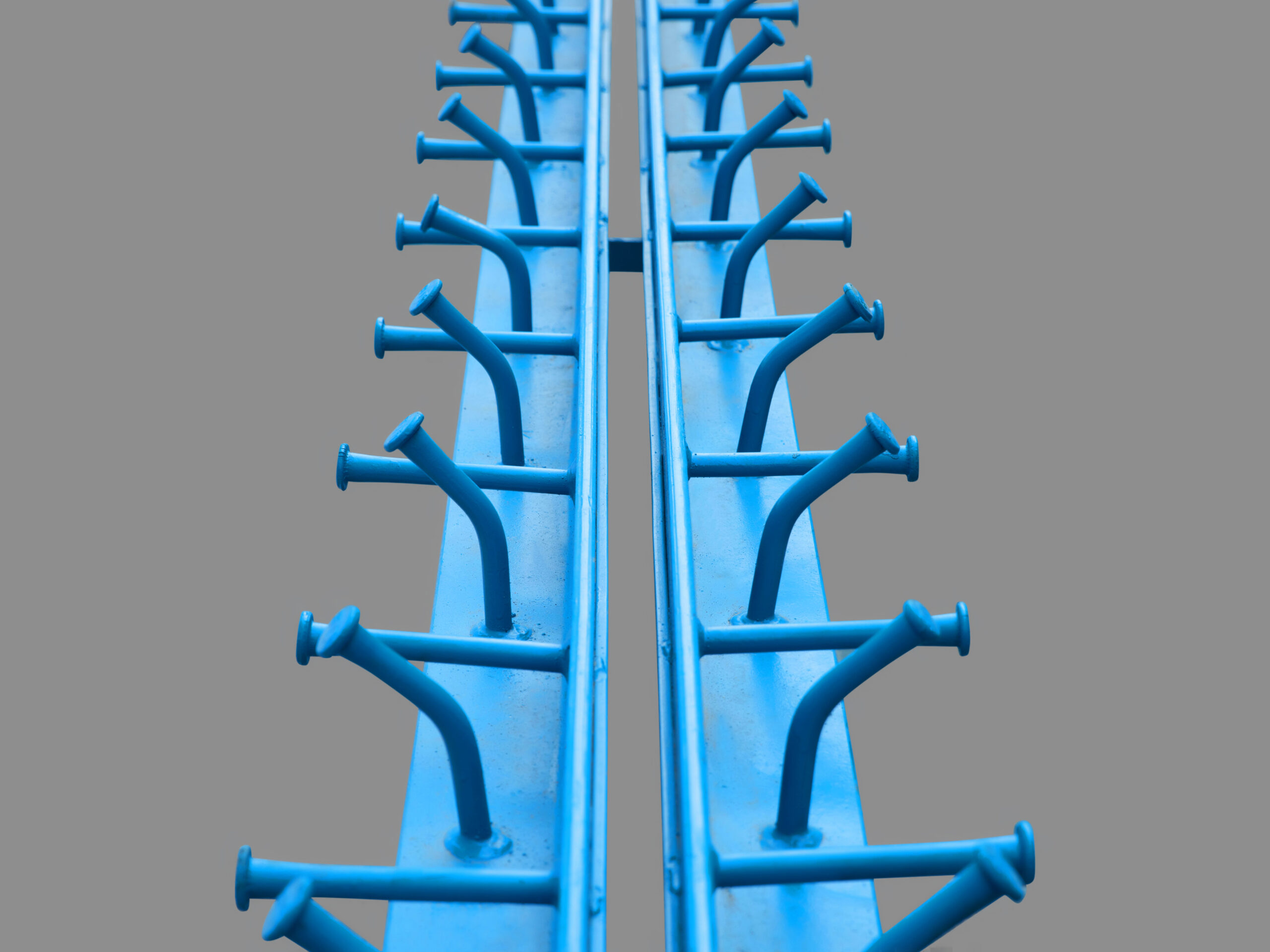
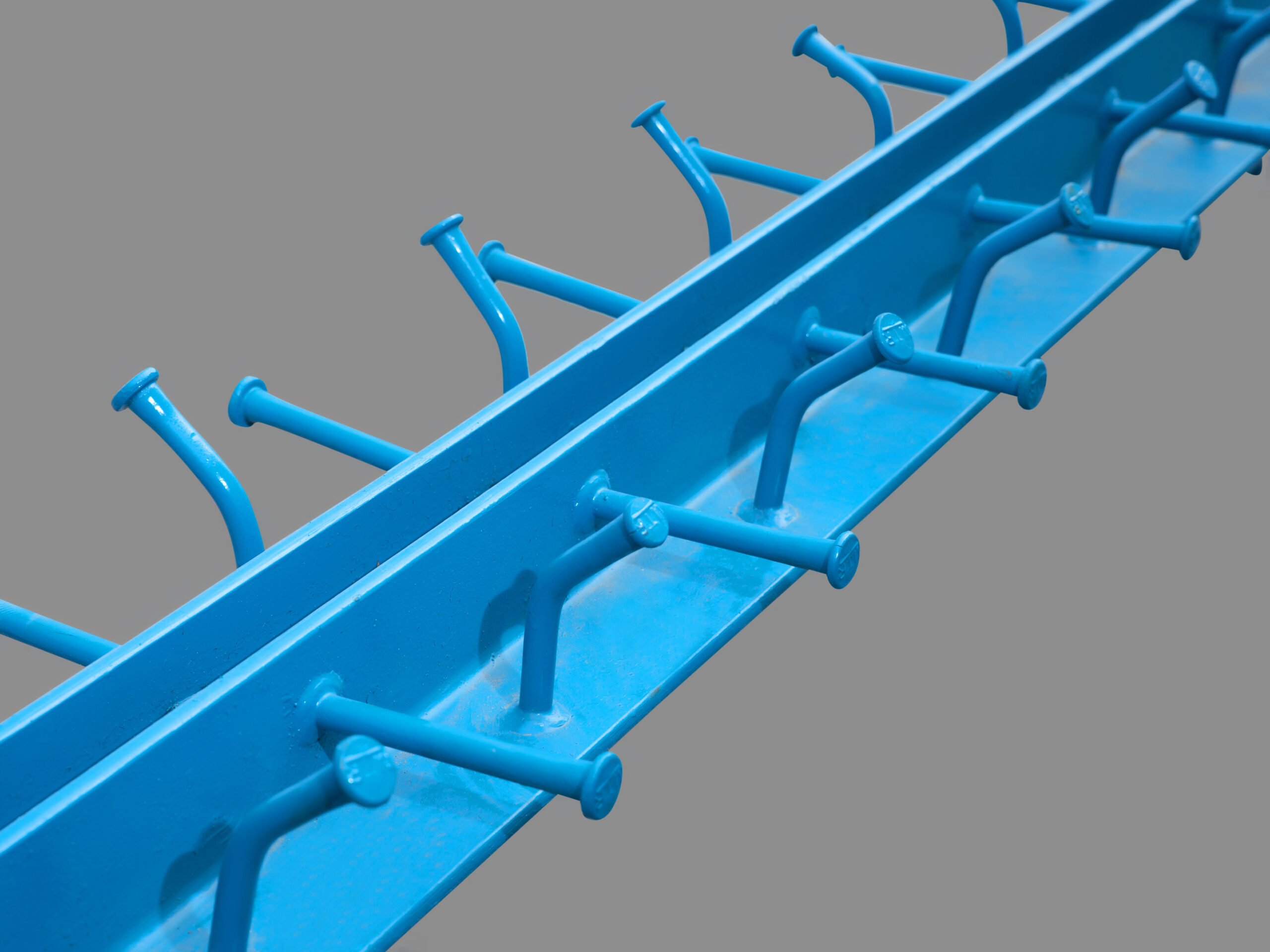
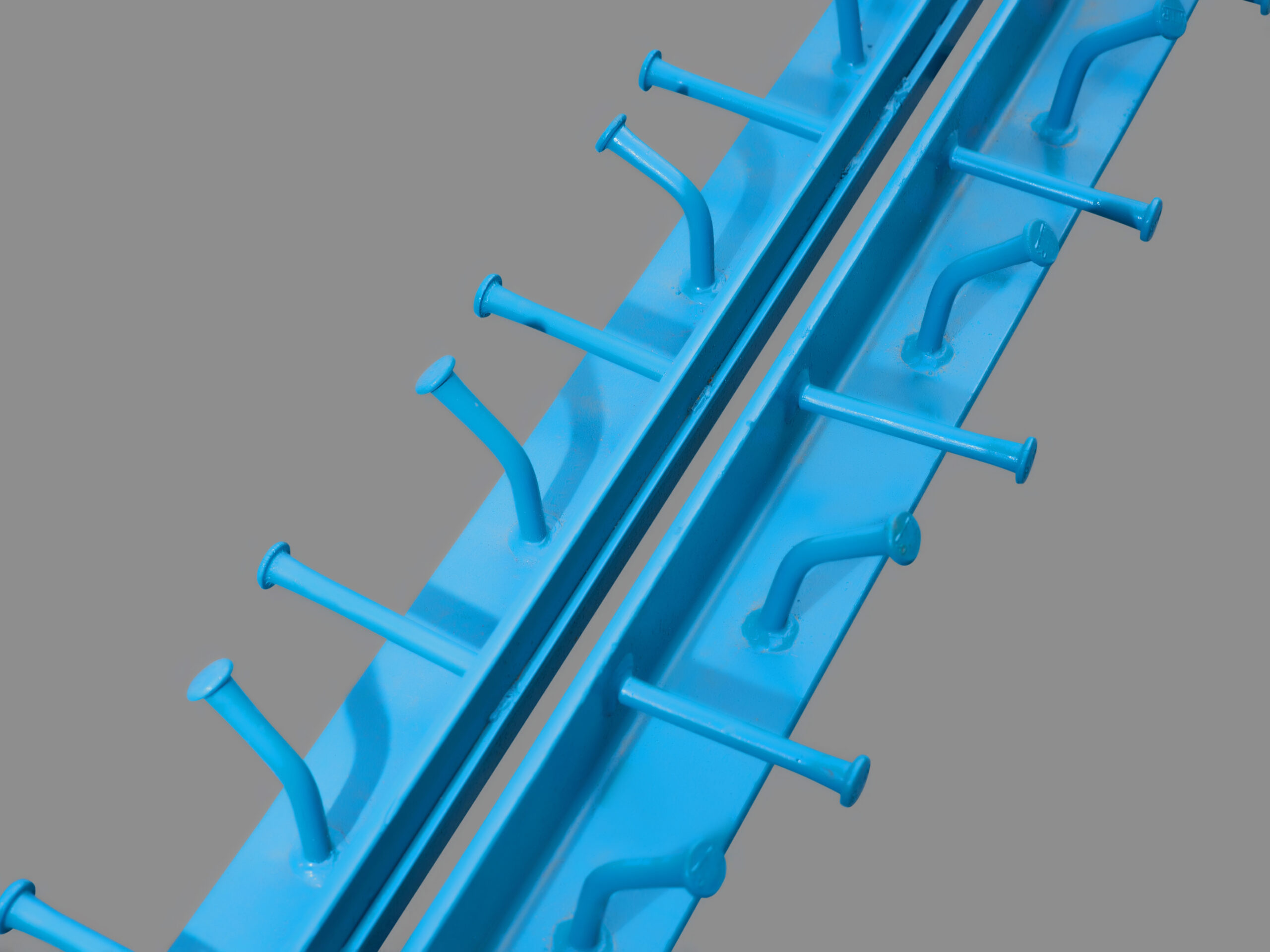
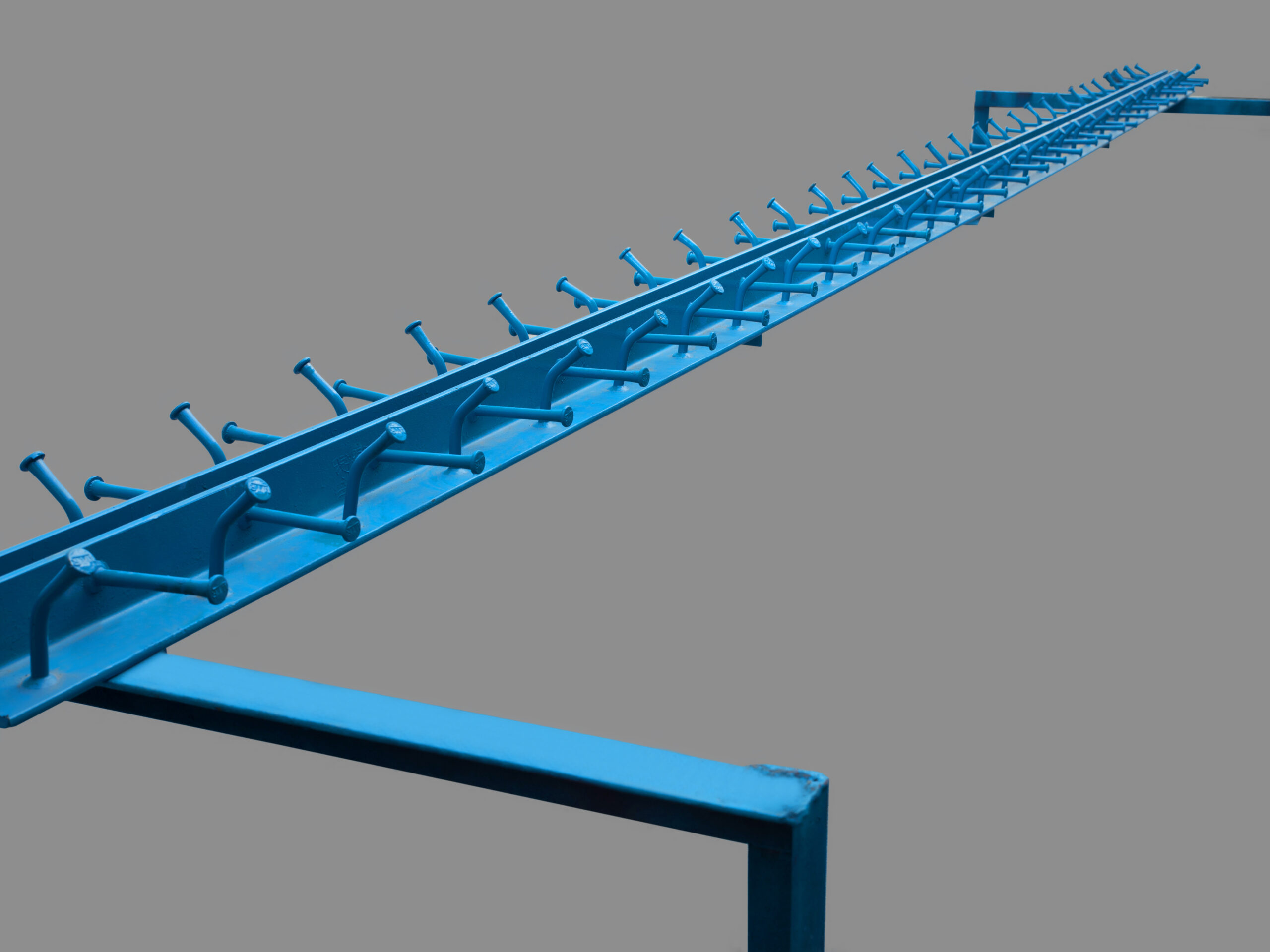
Strip Seal Expansion Joints are among the most widely used expansion joints in bridge construction. They consist of steel edge beams anchored into the bridge deck with a preformed elastomeric sealing gland inserted between them. The elastomeric gland expands and contracts as the bridge moves while maintaining a watertight seal.

Key Characteristics

  • Steel edge beams embedded in the bridge deck
  • Preformed neoprene or elastomeric sealing gland
  • High resistance to traffic loads
  • Reliable watertight sealing

Advantages

  • Durable and long-lasting
  • Cost-effective solution
  • Excellent watertight performance
  • Suitable for high traffic volumes

Typical Movement Range – Approximately 40 mm to 80 mm

Applications

  • Highway bridges
  • Urban flyovers
  • Medium-span bridges
  • Elevated roadways
Compression Expansion Joints

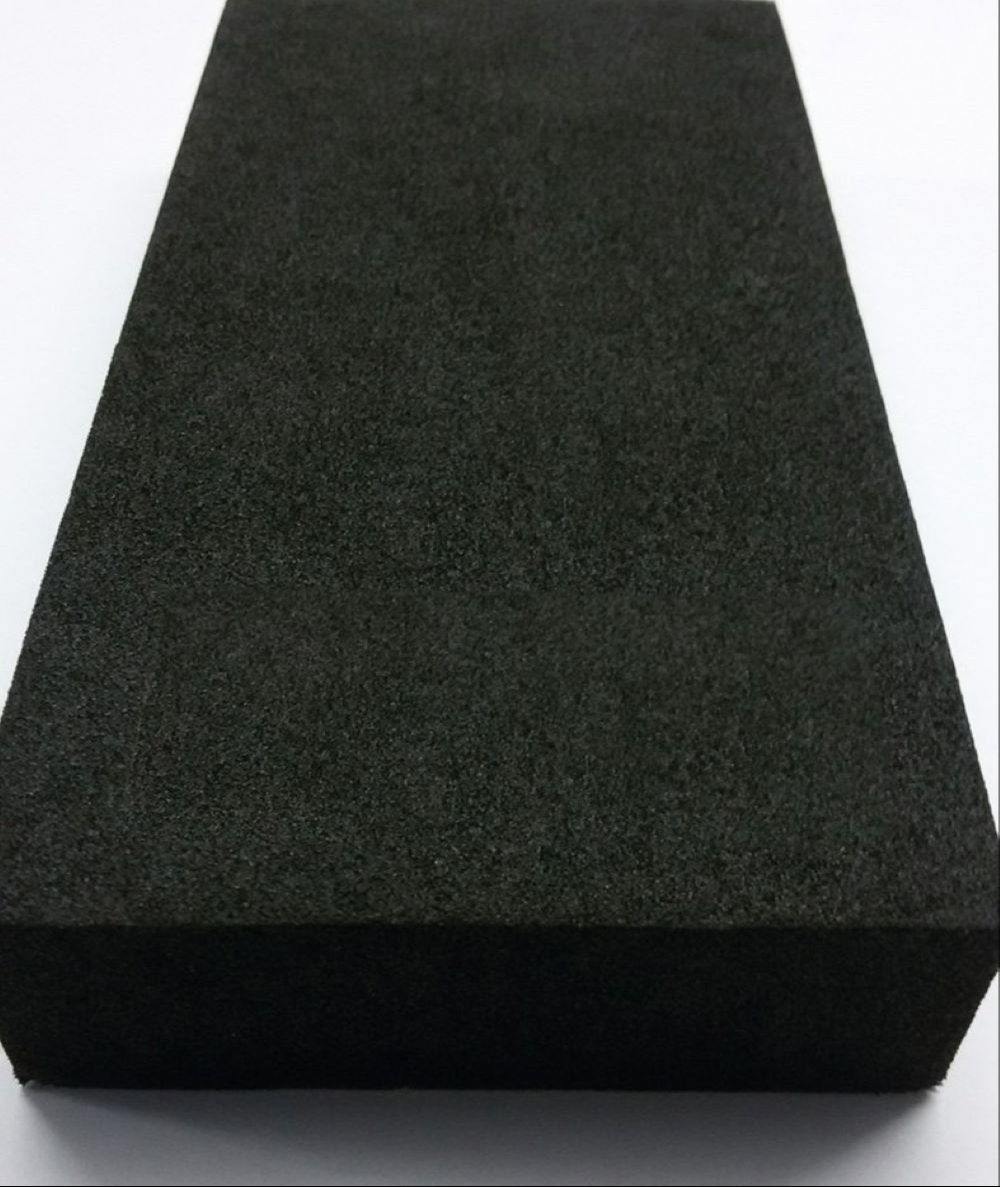
Compression joints are simple and economical expansion joint systems designed for smaller movement ranges. They consist of preformed elastomeric blocks or foam-type rubber profiles that are compressed into the expansion gap between bridge sections. The joint absorbs movement by compressing and expanding with structural changes.

Key Characteristics

  • Preformed rubber extrusion or foam block
  • Installed directly into joint gaps
  • Flexible movement absorption

Advantages

  • Very easy to install
  • Cost-effective
  • Minimal maintenance
  • Provides watertight sealing

Typical Movement Range – Approximately 20 mm to 40 mm

Applications

  • Pedestrian bridges
  • Light traffic bridges
  • Small span bridges
  • Foot overbridges
Single Strip Box Seal Expansion Joints

Single Strip Box Seal Joints are advanced expansion joint systems designed to accommodate larger structural movements while maintaining a watertight seal. They consist of steel edge beams combined with a box-shaped elastomeric seal, allowing greater expansion and contraction compared to standard strip seal joints.

Key Characteristics

  • Box-shaped elastomeric sealing gland
  • Reinforced steel edge beams
  • Multi-directional movement capability

Advantages

  • Handles larger movement ranges
  • Maintains watertight sealing
  • High load-bearing capacity
  • Long-term durability

Typical Movement Range – Up to 130 mm or more

Applications

  • Long-span bridges
  • Major highway bridges
  • Infrastructure exposed to significant thermal variation

Key Performance Needs:

  1. Accommodate deck movement (x, y, z axes — i.e., translation + rotation)
  2. Smooth riding surface: no bumps or noise to drivers
  3. High durability under heavy traffic
  4. Watertight and debris-repelling: seals must not clog or leak

These are critical because:

  • Expansion/contraction gaps can reach up to 100 mm or more
  • Any stiffness or restraint leads to stress concentration
  • Debris in joints = joint lock = structural distress

Expansion joints must be designed according to strict performance criteria to ensure long-term structural stability.

Maruti Bridge Expansion Joints are widely used across multiple infrastructure sectors.

  • Highways and Expressways – Used in major highway bridges and flyovers to provide smooth transitions and accommodate heavy continuous traffic loads.
  • Railway Bridges – Ensures smooth and stable movement in bridges carrying both rail and road traffic.
  • Urban and Pedestrian Bridges – Maintains structural flexibility and safe walking surfaces in city bridges, footbridges, and urban infrastructure.
  • Dams and Reservoir Bridges – Provides waterproof sealing and movement accommodation in bridges exposed to fluctuating environmental conditions.
  • Tunnels and Underground Structures – Used in tunnel entrances and underground bridge systems to accommodate ground movement and structural displacement.

Bridges are designed with expansion gaps between structural segments to allow movement caused by environmental and operational forces.

Expansion joints perform several critical functions:

  • Accommodate thermal expansion and contraction of bridge decks
  • Allow movement due to traffic loads and vibrations
  • Absorb seismic and wind-induced displacements
  • Maintain a smooth and continuous riding surface
  • Prevent water and debris from entering the structural system

Without proper expansion joints, bridges may experience:

  • Structural cracking
  • Joint locking due to debris accumulation
  • Increased stress concentrations
  • Water infiltration leading to reinforcement corrosion
  • Premature deterioration of bridge components

Maruti Expansion Joints are engineered to address all these challenges while ensuring long-term reliability and minimal maintenance.