Toughcell

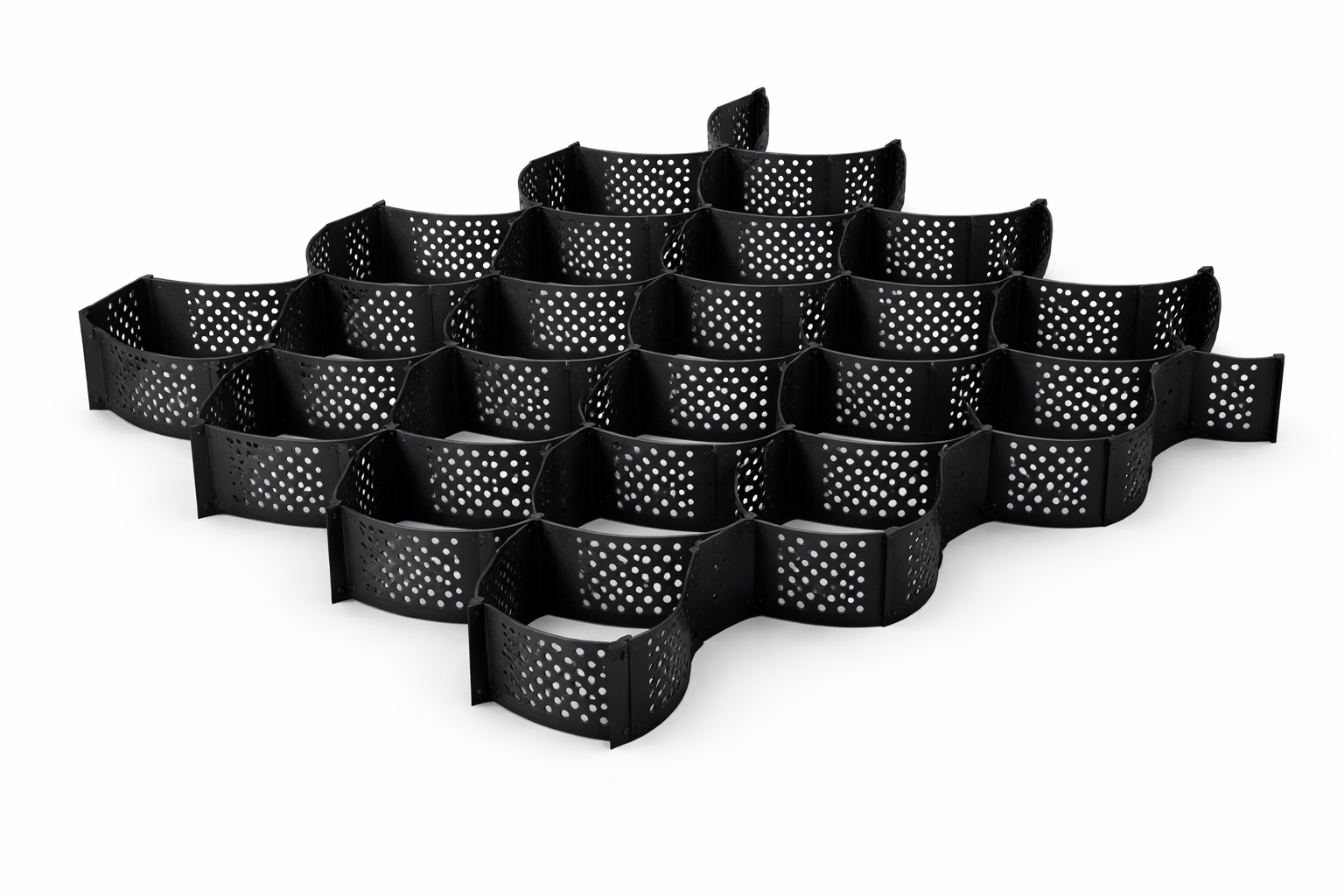
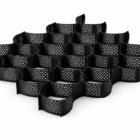
Maruti Technical Toughcell is an advanced Cellular Confinement System (CCS) engineered for ground stabilization, load support, erosion control, and slope protection in a wide range of civil engineering applications. The system is manufactured from high-quality High-Density Polyethylene (HDPE) strips that are ultrasonically welded together at regular intervals to create a strong three-dimensional honeycomb structure.

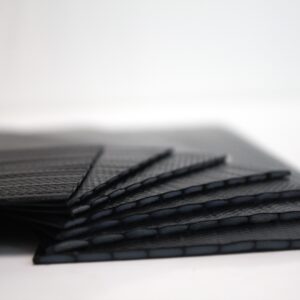
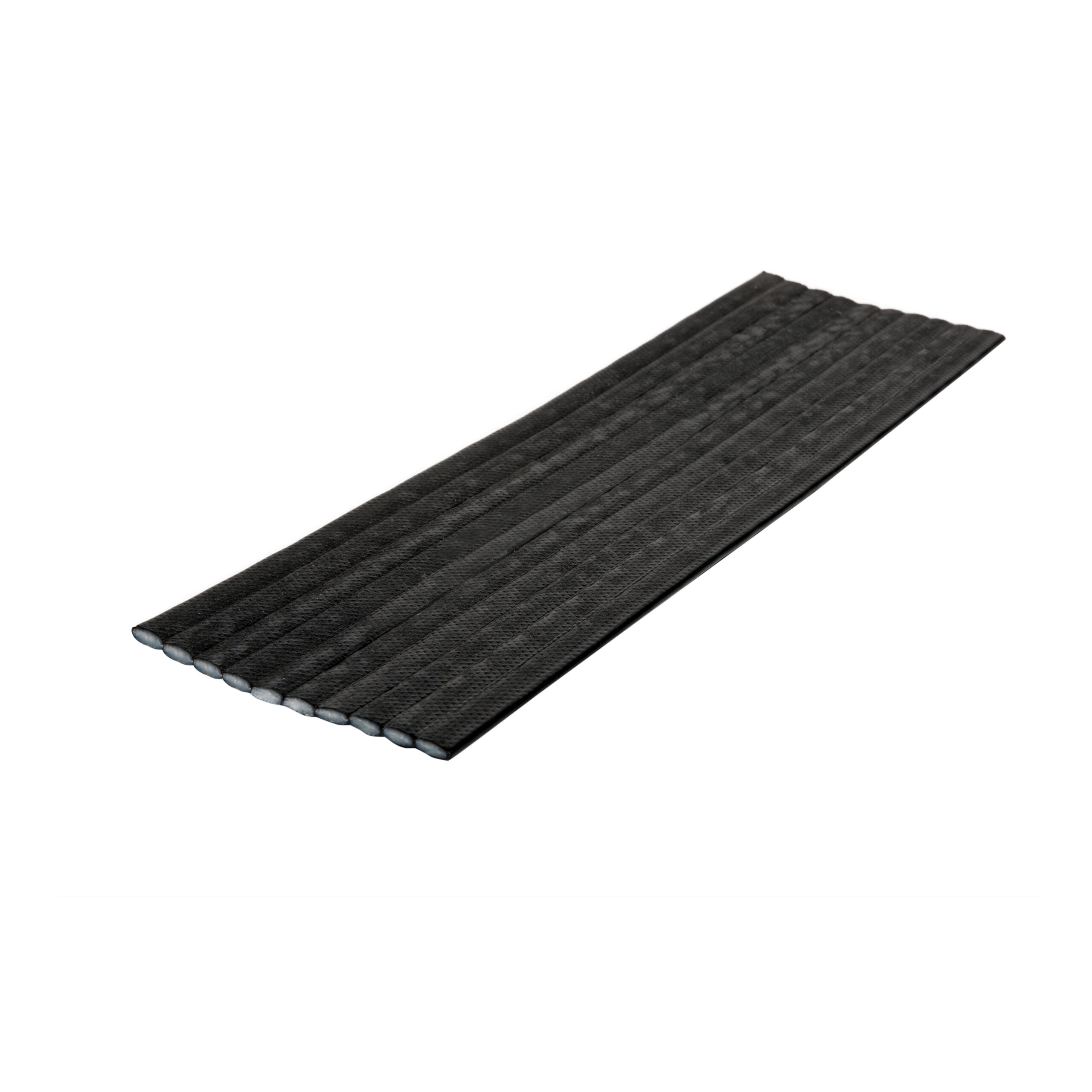
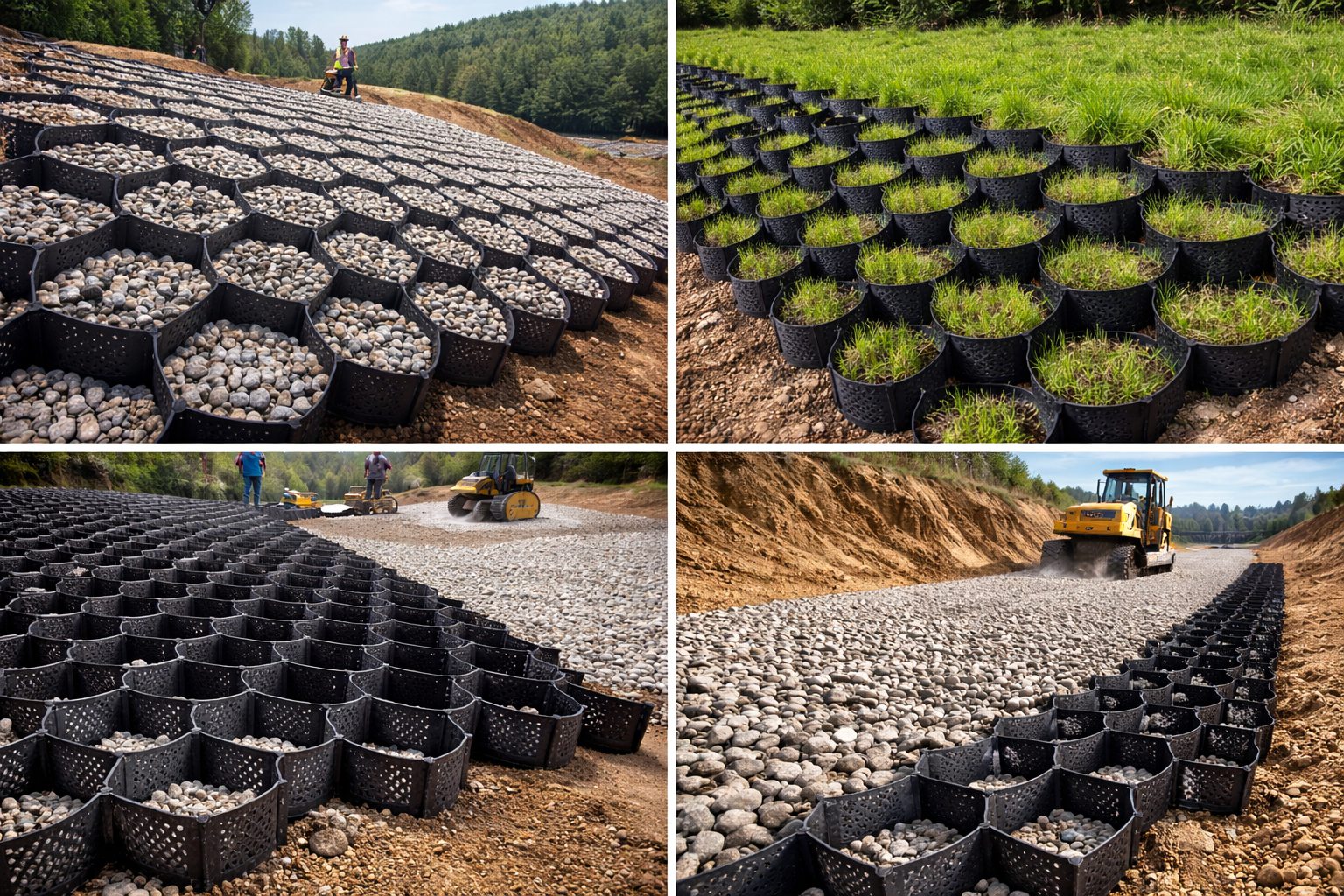
When transported to the project site, the Toughcell panels are supplied in a compact collapsed form. During installation, the panels are expanded to form a network of interconnected cells, which are then filled with locally available materials such as soil, sand, gravel, crushed aggregate, or concrete. Once filled and compacted, the system forms a rigid yet flexible mattress-like structure that confines the infill material within individual cells.

This cellular confinement mechanism prevents lateral movement of the infill material and distributes applied loads over a larger area, significantly improving the load-bearing capacity and stability of the underlying soil. As a result, Maruti Toughcell provides a highly effective solution for stabilizing weak subgrades, protecting slopes, controlling erosion, and supporting infrastructure construction on challenging ground conditions.

The system is particularly beneficial in projects where soil stability, durability, and long-term structural performance are critical.

Category:

Maruti Toughcell operates based on the principle of three-dimensional cellular confinement.

When the system is filled with granular or cohesive materials, each cell acts as an individual containment unit that restricts the lateral movement of the fill material. This confinement increases the shear strength and stiffness of the infill material, allowing the structure to behave as a composite system with improved structural performance.

Under vertical loads, the Toughcell system distributes stresses laterally across adjacent cells and deeper into the underlying soil. This mechanism reduces localized stress concentrations and helps prevent deformation, rutting, and settlement.

Key performance mechanisms include:

Lateral Confinement
The cell walls prevent outward movement of the infill material, maintaining structural integrity even under repeated loading conditions.

Load Distribution
Loads applied at the surface are dispersed through the cellular network, reducing pressure on the underlying subgrade.

Shear Resistance Improvement
Confinement increases the shear strength of the infill material, enabling the structure to support higher loads.

Reduction in Rutting and Settlement
By stabilizing the fill material and spreading loads, Toughcell significantly reduces deformation in roads, embankments, and foundation layers.

This combination of confinement and load distribution allows Maruti Toughcell to improve the structural and functional performance of soils and aggregate layers in civil engineering structures.
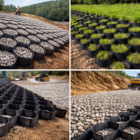
Maruti Toughcell is suitable for a wide range of infrastructure and environmental engineering applications where soil stabilization, load distribution, and erosion protection are required.

Load Support and Ground Stabilization: Toughcell is widely used in transportation infrastructure projects to stabilize weak subgrades and improve pavement performance.

Typical applications include:

  • Road and highway base reinforcement
  • Railway track bed stabilization
  • Airport runway and taxiway foundations
  • Industrial yard pavements
  • Temporary construction access roads

The system improves load distribution and reduces pavement thickness requirements while minimizing rutting and cracking.

Slope Protection and Stabilization: Maruti Toughcell provides effective stabilization for steep slopes and embankments, preventing erosion caused by rainfall, surface runoff, or soil displacement.

Typical slope applications include:

  • Highway and railway embankments
  • Hill slopes and cut slopes
  • Dam and reservoir embankments
  • Landslide-prone areas

The cellular structure holds soil or vegetation in place, reducing erosion while maintaining slope stability.

Retaining Wall Systems: Toughcell can be used to construct gravity retaining walls or reinforced soil retaining systems with minimal use of conventional construction materials such as concrete or mortar.

These systems offer several advantages including:

  • Faster installation
  • Reduced construction costs
  • Flexibility to accommodate ground movement
  • Improved drainage characteristics

Such retaining structures are commonly used in road widening projects, landscape retaining walls, and embankment support systems.

Channel and Shoreline Protection: In hydraulic engineering applications, Toughcell provides an effective solution for erosion control in channels, canals, and shorelines.

Cells can be filled with stone, concrete, or soil to create a stable surface that resists hydraulic forces.

Typical applications include:

  • Stormwater drainage channels
  • Irrigation canals
  • Riverbank protection
  • Coastal shoreline stabilization

The system reduces soil erosion and protects infrastructure from water-induced damage.

Green Infrastructure and Landscaping

Maruti Toughcell is also widely used in environmentally sensitive projects where vegetation and natural landscape integration are important.

Applications include:

  • Vegetated slopes and green embankments
  • Green roofs and landscape terraces
  • Park and recreational area stabilization
  • Eco-friendly erosion control systems

The perforated cell walls allow vegetation roots to grow through the structure, creating a natural and sustainable stabilization system.

Improved Pavement Performance: The cellular confinement system reduces pavement deformation by stabilizing the base layer, thereby minimizing pavement cracking, rutting, and settlement.

Flexible and Adaptive Structure: Unlike rigid construction systems, Toughcell can accommodate minor ground movement and differential settlement without structural failure.

Reduced Maintenance Requirements: By improving the stability and durability of infrastructure layers, Toughcell reduces the need for frequent repairs and maintenance.

Cost Efficiency: The system allows the use of locally available fill materials and reduces the required thickness of base layers, resulting in lower construction and transportation costs.

Long-Term Durability: Manufactured from high-quality HDPE, the system is resistant to environmental degradation and provides long-term structural performance in harsh conditions.

Sustainable Engineering Solution: Toughcell supports environmentally responsible construction practices by:

  • Allowing vegetation growth
  • Reducing use of concrete
  • Utilizing locally available materials
  • Minimizing environmental disturbance

Effective Erosion Control: The cellular structure protects soil from erosion caused by water flow, rainfall, or wind.

High-Quality HDPE Material

Maruti Toughcell is manufactured from virgin High-Density Polyethylene (HDPE), which provides excellent mechanical strength, durability, and flexibility. HDPE is widely recognized in geotechnical engineering for its ability to withstand high mechanical stresses, chemical exposure, and environmental conditions.

The material offers:

  • High tensile strength
  • Excellent chemical resistance
  • Resistance to UV radiation
  • Long-term durability in aggressive environments

Perforated Strip Design

The HDPE strips used in Toughcell panels contain strategically designed perforations. These perforations provide several functional benefits:

  • Improved drainage of water through the structure
  • Enhanced interaction between infill material and surrounding soil
  • Better root penetration in vegetated applications
  • Increased frictional resistance between the infill and cell walls

This design improves both structural performance and ecological integration.

Cellular Confinement Structure

The welded cellular structure forms interconnected compartments that effectively confine the infill material within each cell.

This confinement provides several structural advantages:

  • Prevents lateral displacement of soil and aggregates
  • Increases load-bearing capacity of weak soils
  • Reduces rutting and settlement under repeated loading
  • Enhances stability of slopes and embankments

As a result, Maruti Toughcell transforms weak or unstable soils into a stable, reinforced composite structure capable of supporting significant loads.